

Overview of CBSE Class 12 Biology 2025-26
The CBSE Class 12 Biology curriculum for 2025-26 represents a significant evolution in biological education, designed to provide students with contemporary concepts and extensive exposure to modern biological sciences. This comprehensive guide covers everything from the latest syllabus updates to practical preparation strategies that will help students excel in their board examinations.
What’s New in 2025-26?
- Competency-based assessment focusing on understanding (50%), application (30%), and analytical skills (20%)
- Enhanced emphasis on real-world applications and biotechnology
- Streamlined practical experiments with experiential learning approach
- Integration of environmental sustainability themes across units
Complete Syllabus Breakdown
The CBSE Class 12 Biology syllabus 2025-26 is structured into five core units with a total weightage of 70 marks for theory and 30 marks for practicals.
Unit Distribution & Marks Weightage
| Unit | Topic | Marks | Duration Focus |
|---|---|---|---|
| VI | Reproduction | 16 | 6-7 weeks |
| VII | Genetics and Evolution | 20 | 8-9 weeks |
| VIII | Biology and Human Welfare | 12 | 5-6 weeks |
| IX | Biotechnology and Applications | 12 | 5-6 weeks |
| X | Ecology and Environment | 10 | 4-5 weeks |
Free PDF Resources & Downloads
Official CBSE Resources
- Official CBSE Biology Syllabus 2025-26 PDF – Direct from CBSE Academic
- NCERT Biology Class 12 Textbook – Available on NCERT official website
- CBSE Sample Papers 2025-26 – Released patterns and marking schemes
Comprehensive Study Materials
- Chapter-wise NCERT Solutions – Step-by-step explanations for all exercises
- Previous Year Question Papers – Last 10 years with detailed solutions
- Laboratory Manual – Complete practical guide with experiments
- Supplementary Reading Material – Additional resources from CBSE website
Digital Learning Resources
- Interactive Diagrams – 3D models for complex biological processes
- Video Lectures – Concept explanations by expert educators
- Online Practice Tests – Chapter-wise and full-length mock tests
Unit-wise Detailed Topics
Unit VI: Reproduction (16 Marks)
Chapter 1: Sexual Reproduction in Flowering Plants
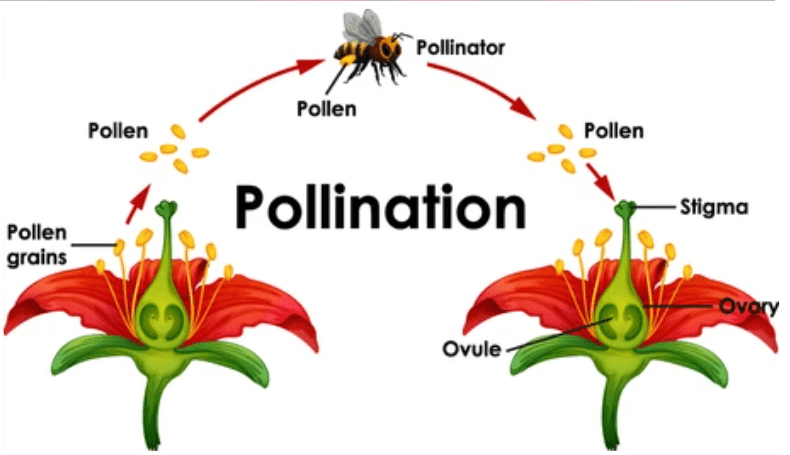
- Flower Structure & Development
- Male and female gametophyte development
- Pollination mechanisms (wind, insect, bird pollination)
- Self-incompatibility and outbreeding devices
- Fertilization Process
- Double fertilization mechanism
- Endosperm and embryo development
- Special Reproductive Modes
- Apomixis, parthenocarpy, polyembryony
- Seed dispersal strategies
Key Study Tips: Focus on diagrams of flower structure and life cycles. Practice drawing detailed flowcharts of double fertilization.
Chapter 2: Human Reproduction
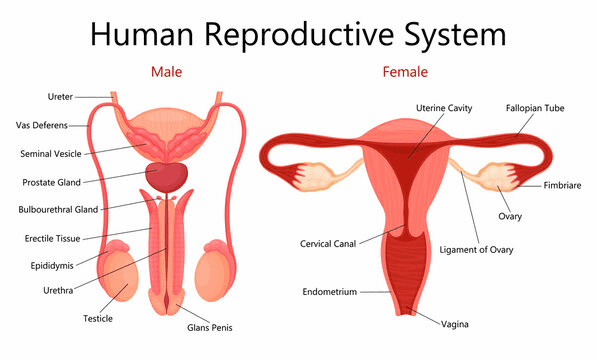
- Reproductive System Anatomy
- Male reproductive system (testis microscopic structure)
- Female reproductive system (ovary detailed anatomy)
- Gametogenesis
- Spermatogenesis process and regulation
- Oogenesis and menstrual cycle coordination
- Pregnancy & Development
- Fertilization to blastocyst formation
- Implantation and placental development
Chapter 3: Reproductive Health

- Disease Prevention
- STDs awareness and prevention strategies
- Reproductive tract infections
- Family Planning
- Contraceptive methods (temporary and permanent)
- Medical termination of pregnancy (legal aspects)
- Assisted Reproductive Technologies
- IVF, ZIFT, GIFT procedures
- Infertility causes and treatments
Unit VII: Genetics and Evolution (20 Marks)
Chapter 4: Principles of Inheritance and Variation
- Mendelian Genetics
- Laws of inheritance with modern examples
- Test cross and back cross applications
- Non-Mendelian Inheritance
- Incomplete dominance (Mirabilis jalapa)
- Co-dominance (ABO blood groups)
- Multiple alleles and pleiotropy
- Chromosomal Inheritance
- Sex determination mechanisms
- Sex-linked inheritance (color blindness, hemophilia)
- Chromosomal disorders (Down syndrome, Turner syndrome)
Study Strategy: Create pedigree charts for different inheritance patterns. Practice numerical problems daily.
Chapter 5: Molecular Basis of Inheritance
- DNA as Genetic Material
- Historical experiments (Griffith, Avery-MacLeod-McCarty)
- DNA structure and packaging
- Central Dogma
- DNA replication mechanisms
- Transcription and translation processes
- Genetic code characteristics
- Gene Regulation
- Lac operon model
- DNA fingerprinting applications
Chapter 6: Evolution
- Origin of Life Theories
- Chemical evolution hypothesis
- Miller-Urey experiment significance
- Evidence for Evolution
- Paleontological, morphological, embryological evidence
- Molecular evidence (DNA comparisons)
- Mechanisms of Evolution
- Natural selection types
- Hardy-Weinberg equilibrium
- Speciation and adaptive radiation
Unit VIII: Biology and Human Welfare (12 Marks)
Chapter 7: Human Health and Diseases
- Disease Classification
- Infectious vs non-infectious diseases
- Pathogen types and disease mechanisms
- Common Diseases
- Vector-borne diseases (malaria, dengue, chikungunya)
- Bacterial diseases (typhoid, pneumonia)
- Viral diseases (common cold, AIDS)
- Immunity & Prevention
- Innate and acquired immunity
- Vaccination principles and types
- Cancer biology and treatment approaches
Chapter 8: Microbes in Human Welfare
- Industrial Applications
- Fermentation processes (alcohol, antibiotics)
- Enzyme production by microbes
- Environmental Applications
- Sewage treatment processes
- Biogas production and biofertilizers
- Agricultural Applications
- Biological pest control
- Nitrogen fixation by rhizobium
Unit IX: Biotechnology and Applications (12 Marks)
Chapter 9: Biotechnology Principles and Processes
- Genetic Engineering Fundamentals
- Restriction enzymes and their specificity
- DNA ligase and cloning vectors
- Recombinant DNA Technology
- Gene cloning steps
- PCR amplification technique
- Gel electrophoresis applications
Chapter 10: Biotechnology Applications
- Medical Biotechnology
- Human insulin production
- Gene therapy principles
- Stem cell technology applications
- Agricultural Biotechnology
- Bt crops development and benefits
- Transgenic animals in research
- Ethical Considerations
- Biosafety protocols
- Biopiracy and patent issues
Unit X: Ecology and Environment (10 Marks)
Chapter 11: Organisms and Populations
- Population Interactions
- Predation, competition, parasitism
- Mutualism and commensalism examples
- Population Dynamics
- Growth curves (exponential vs logistic)
- Population regulation factors
Chapter 12: Ecosystem
- Energy Flow
- Food chains and food webs
- Energy pyramids and their significance
- Biogeochemical Cycles
- Carbon, nitrogen, phosphorus cycles
- Human impact on natural cycles
Chapter 13: Biodiversity and Conservation
- Biodiversity Levels
- Genetic, species, and ecosystem diversity
- Biodiversity hotspots in India
- Conservation Strategies
- In-situ conservation (national parks, sanctuaries)
- Ex-situ conservation (seed banks, zoos)
- International conservation efforts
Exam Pattern & Marking Scheme
Question Paper Structure 2025-26
| Section | Question Type | Questions | Marks Each | Total Marks |
|---|---|---|---|---|
| A | MCQ & Assertion-Reason | 16 | 1 | 16 |
| B | Very Short Answer | 7 | 2 | 14 |
| C | Short Answer | 5 | 3 | 15 |
| D | Case Study Based | 2 | 4 | 8 |
| E | Long Answer | 3 | 5 | 15 |
Competency Distribution
- Knowledge & Understanding: 50% (35 marks)
- Application of Concepts: 30% (21 marks)
- Analysis & Evaluation: 20% (14 marks)
Internal Choice Policy
- Approximately 33% internal choice provided across sections
- Students can choose questions that align with their strengths
- No choice in MCQ section (Section A)
Practical Syllabus & Experiments
Major Experiments (5 Marks)
- DNA Isolation – Extract DNA from plant materials (spinach, pea seeds, banana)
- Pollen Germination Study – Observe and document pollen tube development
- Population Density Study – Quadrat method for plant population analysis
- Population Frequency Analysis – Statistical study of plant distribution
Minor Experiments (4 Marks)
- Mitosis Observation – Temporary mount of onion root tip
- Plant Population Studies – Frequency determination by quadrat method
Slide Preparation (5 Marks)
- Temporary Mounts – Pollen germination, mitotic stages
- Permanent Slide Study – Gamete development stages
Spotting Examination (7 Marks)
- Pollination Adaptations – Wind, insect, bird-pollinated flowers
- Developmental Stages – Blastula, gamete development
- Inheritance Patterns – Mendelian traits using seeds/beads
- Disease Organisms – Parasites and pathogens identification
- Ecological Relationships – Symbiotic associations, homologous organs
Assessment Components
- Practical Record: 4 marks
- Project Work: 5 marks
- Viva Voce: Integrated with practical and project evaluation
Essential Study Tips & Strategies
1. Master the NCERT Foundation
- Read line-by-line including diagrams, tables, and flowcharts
- Highlight key definitions and biological processes
- Create concept maps linking related topics across chapters
2. Diagram Mastery Technique
- Practice daily – Draw 2-3 diagrams with proper labeling
- Focus on high-weightage diagrams like double fertilization, DNA replication
- Use colors to distinguish different parts and processes
3. Numerical Problem Strategy
- Genetics problems – Practice pedigree analysis and probability calculations
- Hardy-Weinberg problems – Master allele frequency calculations
- Ecology calculations – Energy transfer efficiency problems
4. Memory Enhancement Techniques
- Create acronyms for biological processes (e.g., IPMAT for mitosis phases)
- Use mnemonics for classification hierarchies
- Develop flowcharts for complex processes like protein synthesis
5. Application-Based Learning
- Connect theory to real life – Link diseases to daily health practices
- Current affairs integration – Follow biotechnology news and breakthroughs
- Case study analysis – Practice interpreting biological scenarios
6. Effective Revision Strategy
- Weekly chapter review – Revisit completed chapters regularly
- Month-end comprehensive tests – Full syllabus mock examinations
- Error analysis journal – Document and review mistakes regularly
Preparation Timeline
Phase 1: Foundation Building (April-July)
- Complete syllabus coverage with detailed NCERT reading
- Basic concept clarity through examples and applications
- Initial diagram practice and terminology building
Phase 2: Skill Development (August-November)
- Advanced problem solving in genetics and evolution
- Practical experiments hands-on experience
- Previous year papers analysis and pattern recognition
Phase 3: Mastery & Revision (December-February)
- Intensive revision cycles – 3-4 complete revisions
- Mock test series – Weekly full-length examinations
- Weak area strengthening based on performance analysis
Phase 4: Final Preparation (March)
- Quick revision notes and formula sheets
- Last-minute doubt clarification
- Stress management and exam strategy finalization
Common Mistakes to Avoid
Content-Related Errors
- Incomplete diagrams – Always include proper labeling and arrows
- Mixing up similar processes – Clearly distinguish mitosis vs meiosis
- Ignoring numerical problems – Practice genetics and ecology calculations
- Superficial reading – Understand concepts deeply, not just memorization
Exam Strategy Mistakes
- Poor time management – Allocate time based on marking scheme
- Illegible handwriting – Practice neat, clear writing
- Not attempting case studies – These are scoring opportunities
- Skipping diagram practice – Diagrams carry significant weightage
Study Planning Errors
- Procrastinating practicals – Start practical preparation early
- Ignoring NCERT textbook – It’s the foundation for all questions
- Over-reliance on coaching notes – Always refer to official sources
- Inadequate revision cycles – Plan multiple revision rounds
Career Opportunities After Class 12 Biology
Traditional Medical Fields
- MBBS & Medical Specializations – Clinical medicine and surgery
- Dental Sciences (BDS) – Oral health and dental surgery
- Veterinary Sciences – Animal health and welfare
- Pharmacy – Drug development and pharmaceutical sciences
Modern Biotechnology Careers
- Genetic Engineering – Gene therapy and molecular diagnostics
- Bioinformatics – Computational biology and data analysis
- Agricultural Biotechnology – Crop improvement and sustainable farming
- Environmental Biotechnology – Pollution control and waste management
Research & Academia
- Life Sciences Research – University and institute positions
- Clinical Research – Drug trials and medical research
- Conservation Biology – Wildlife and biodiversity protection
- Marine Biology – Ocean ecosystem research
Emerging Fields
- Biomedical Engineering – Medical device development
- Forensic Biology – Crime investigation and legal sciences
- Sports Science – Athletic performance optimization
- Science Communication – Biology education and media
Conclusion
The CBSE Class 12 Biology syllabus 2025-26 offers students an excellent opportunity to build a strong foundation in biological sciences while preparing for competitive examinations and future careers in life sciences. With proper planning, consistent practice, and the right resources, students can achieve exceptional results in their board examinations.
Remember, success in Biology requires a combination of conceptual understanding, practical application, and regular revision. Use this comprehensive guide as your roadmap to excel in CBSE Class 12 Biology and unlock exciting opportunities in the field of biological sciences.
Pro Tip: Download all the free PDF resources mentioned in this guide and create a structured study schedule that covers theory, practicals, and regular assessments. Stay updated with the latest CBSE notifications and exam patterns for the best preparation strategy.
For more educational resources and study materials, visit SolveFy AI – your comprehensive platform for academic excellence.
Recommended –
1 thought on “CBSE Class 12 Biology Syllabus 2025-26: Master Guide to Score 90+ | Free PDF + Expert Strategies”